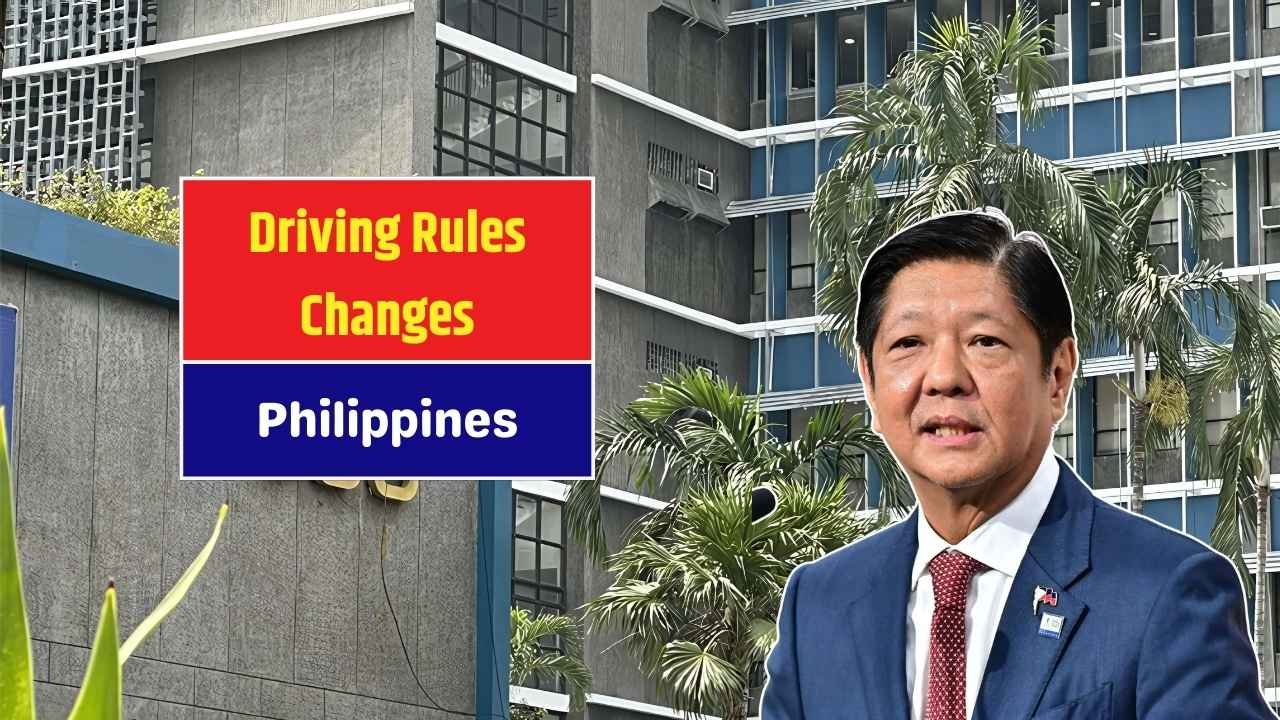
Applying for a driving license in the Philippines in 2026 has become more systemized and technology-driven as the Land Transportation Office continues to improve its services. The implementation of digital platforms and stricter education requirements aims to ensure that only qualified and responsible drivers are allowed on the road. These rule changes affect both new applicants and existing license holders, making it important for motorists to stay informed.
The updated rules focus on road safety, standardized driver training, and efficient processing through online systems. With these reforms, applicants are expected to follow clearer procedures while meeting higher competency standards.
Types of Driving Licenses in the Philippines
The Philippines maintains three main types of driving licenses issued by the LTO. Each license serves a specific purpose and comes with its own eligibility requirements and validity period.
A Student Permit is the entry-level license available to applicants aged 17 and above. It allows supervised driving while undergoing training. A Non-Professional License is issued to private vehicle drivers and motorcycle riders, usually valid for five or ten years depending on driving record. A Professional License is intended for drivers operating commercial vehicles, public transport, and heavy vehicles.
Understanding the correct license type helps applicants follow the appropriate process and avoid delays.
Key Driving License Rule Updates Effective in 2026
The driving license rule changes in 2026 continue to strengthen digital processing and driver education. All applicants are required to secure an appointment through the Land Transportation Management System before visiting an LTO branch. Walk-in applications are limited and allowed only under special circumstances.
Completion of the Theoretical Driving Course remains mandatory for new drivers, while the Comprehensive Driver’s Education course is required for license renewals and certain upgrades. Medical certificates must be issued by LTO-accredited clinics and are valid only for a limited time to ensure updated health assessments.
These changes aim to standardize driver qualifications and reduce traffic-related incidents.
Eligibility Requirements for Driving License Applicants
To apply for a driving license in the Philippines, applicants must meet age, health, and documentation requirements. A Student Permit requires a minimum age of 17, while a Non-Professional License requires applicants to be at least 18 years old. Professional License applicants must be at least 21 years old.

Applicants must be physically and mentally fit to drive, with acceptable vision and medical clearance. Valid government-issued identification, proof of residency, and training certificates are required. Foreign residents must present valid visas and registration documents. Applicants with unresolved traffic violations or excessive demerit points may be disqualified until issues are resolved.
Step-by-Step Driving License Application Process
The application process begins by creating an account on the LTMS portal and booking an appointment at a selected LTO office. First-time applicants apply for a Student Permit by submitting documents, completing basic orientation, and paying the required fees.
After holding a Student Permit for the required period, applicants may proceed to apply for a Non-Professional License by submitting training certificates and passing written and practical examinations. Professional License applicants follow a similar process but may need additional exams, clearances, and restriction codes depending on the vehicle type.
Biometric data and photographs are captured during the final stage before license issuance.
Driving License Fees in the Philippines 2026
The cost of applying for a driving license varies depending on license type, training requirements, and examination results. Student Permit applications often involve higher costs due to mandatory driving courses. Non-Professional and Professional licenses have standardized application and card fees, with additional charges for exams or retakes.
Senior citizens and persons with disabilities may qualify for discounted fees as provided by law.
Required Documents for LTO License Applications
Applicants must prepare a completed application form, valid identification, medical certificate from an accredited clinic, and proof of completion of required driving courses. Non-Professional and Professional applicants must submit certificates from LTO-accredited driving schools.
Foreign applicants are required to provide passports, valid visas, and translated foreign licenses when applicable. Even when documents are uploaded online, original copies must be presented for verification at the LTO office.
License Renewal Rules and Common Issues
License renewals in 2026 are largely processed online through the LTMS portal for drivers with valid licenses and clean records. Drivers with expired licenses may be required to complete refresher courses or re-examinations depending on the length of expiration.

Common issues faced by applicants include limited appointment availability, exam failures, and scams involving fixers. Motorists are strongly advised to transact only through official LTO channels and avoid unauthorized intermediaries.
Impact of the New Rules on Road Safety
The updated driving license rules reflect the government’s commitment to improving road safety and driver accountability. Mandatory education programs, biometric verification, and digital records help reduce fraud and ensure consistent enforcement.
Longer license validity for drivers with clean records encourages compliance with traffic laws, while stricter requirements help ensure that only qualified drivers operate vehicles on public roads.
Final Thoughts
The Philippines driving license rule changes in 2026 introduce a more disciplined, transparent, and digital-focused system. While the process may seem more demanding, it promotes safer driving practices and better service efficiency.
Applicants who follow the official procedures, complete required training, and use the LTMS portal can expect a smoother and more reliable licensing experience under the updated system.
Disclaimer
This article is for informational purposes only and is based on publicly available LTO guidelines and policy updates. Driving license rules, fees, and procedures may change depending on government regulations and local implementation. Applicants are advised to verify details through official LTO offices or authorized channels before applying.